A Machine for Rest : LC4 Chaise Longue
Aveenor earns a commission from qualifying purchases made through this link.
The year was 1928, and architect Le Corbusier was actively dismantling traditional notions of dwelling, famously declaring, "A house is a machine for living." This revolutionary philosophy, rooted in rationalism and function, extended seamlessly from architecture to furniture. The result was the LC4 Chaise Longue à réglage continu (continuously adjustable long chair), an undisputed masterpiece that became the very embodiment of his vision: a 'Machine for Rest' (Machine à repos).

This iconic piece was not the work of a single genius, but a collaboration between three formidable minds: Le Corbusier, his cousin Pierre Jeanneret, and, crucially, the tenacious and brilliant female designer Charlotte Perriand. While Corbusier provided the philosophical framework of modernism, it was Perriand who brought the indispensable elements of comfort, practicality, and human scale to the rigid, often cold, industrial aesthetic. Her influence was paramount in transforming a mere concept into a functional, ergonomic reality.
The LC4’s design philosophy was a radical departure from the ornate, overstuffed furniture of the preceding era. It wasn't designed based on aesthetic trends, but on scientific analysis of the human body and posture in relaxation. The collaborators meticulously studied ergonomic data to determine the optimal angles for the body to achieve true, physiological rest.
The genius lies in its construction. The chair is composed of two distinct parts: a fixed, dark-colored base structure, and a spectacular freely-floating, curved seat frame. Crafted from polished chrome-plated tubular steel, the seat is engineered to glide effortlessly along the base. This ingenious mechanism allows the user to adjust the tilt from an upright sitting position to a deep, reclined slumber—the chair effectively adjusts to the user, not the other way around. This simple yet revolutionary ability to adapt makes the LC4 a timeless example of Human-Centered Design (HCD). The initial versions even featured a mechanism that allowed for up to 13 distinct locking positions, solidifying its status as a piece of precision 'machinery' dedicated to relaxation.

In the male-dominated architectural landscape of the early 20th century, Charlotte Perriand's contributions were often overshadowed, but her practical eye was essential to the LC series' success. She championed the use of industrial materials—chrome, steel, and leather—for their functionality and clean lines. She believed that good design should be accessible and should improve the quality of daily life.
Today, the LC4 is celebrated as a quintessential icon of 20th-century Modernism. It is produced by the prestigious Italian furniture house Cassina as part of its I Maestri (The Masters) Collection, guaranteeing authenticity and adherence to the original designs. The chair’s legacy continues to inspire designers, serving as a powerful reminder that the best industrial design is not just visually stunning, but profoundly functional, serving the user’s well-being above all else. Its enduring presence in museums, luxury homes, and architectural masterpieces cements its position as more than just a piece of furniture—it is a timeless monument to the perfect synthesis of form, function, and relaxation.
Aveenor earns a commission from qualifying purchases made through this link.
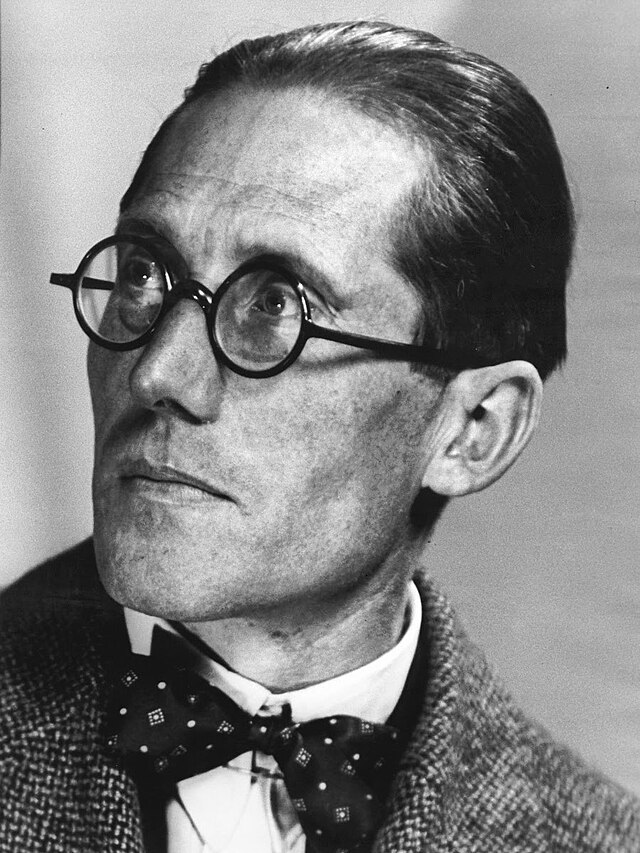
Featured Image : Le Corbusier. Photo by Man Ray, licensed under CC0